Source Foldable Warning Triangle for Road Safety and Emergency
Compare 30 foldable warning triangle options from verified suppliers in China. These units feature reflective materials and CE or E-MARK certifications for use in breakdown maintenance, road safety, and emergency situations.
Key considerations
Products List




Comprehensive Sourcing Guide
Strategic Sourcing Guide for Foldable Warning Triangles
Understanding Technical Specifications and Material Composition
When sourcing foldable warning triangles, the primary objective is to identify products that balance durability with high-visibility performance. The core functionality of these devices relies on their ability to be compact for storage yet expansive for road safety. Based on observed market data, the physical dimensions of these units vary significantly depending on the intended application and manufacturer specifications. Buyers must scrutinize the product model and standard dimensions to ensure compatibility with their specific vehicle fleet or regulatory environment.
The material composition is a critical differentiator in the market. High-quality units often utilize a combination of PC (Polycarbonate) and PVC materials, which offer a robust balance between impact resistance and flexibility. In contrast, other segments of the market may utilize ABS (Acrylonitrile Butadiene Styrene) for structural components. The choice of material directly influences the product's longevity and its ability to withstand harsh environmental conditions, such as extreme temperatures or UV exposure.
Dimensions are another vital technical parameter. Observed specifications indicate a wide range of sizes, from compact models measuring approximately 43cm by 43cm by 43cm to larger units designed for heavy-duty applications. Some models feature specific folded dimensions, such as 44cm by 14.5cm by 3.5cm, which are crucial for storage in vehicle compartments. The unfolded standard size is equally important; for instance, certain models adhere to a 42cm by 38cm standard, while others may follow a 43cm by 43cm by 43cm configuration. Buyers should verify that the unfolded triangle meets the visibility requirements of their target region, as the surface area determines the effective warning distance for approaching traffic.
Furthermore, the weight of the unit is a factor for logistics and portability. Individual unit weights can range from approximately 375 grams per piece to heavier configurations depending on the material density and reinforcement. When evaluating a supplier, request the specific weight per piece and the gross weight per carton to calculate accurate shipping costs. The packaging quantity per carton also varies, with observed data showing configurations of 30 pieces per carton or 60 pieces per carton, which directly impacts the efficiency of bulk shipping and inventory management.
Compliance and Certification Verification
Navigating the regulatory landscape for road safety equipment is essential for any procurement strategy involving warning triangles. These devices are not merely accessories; they are safety-critical components that must adhere to strict international and regional standards. The presence of specific certifications is often a prerequisite for legal compliance in many jurisdictions.
The most prominent certifications observed in the market include CE (Conformité Européenne) and E-MARK. The E-MARK certification is particularly significant for vehicles and safety equipment intended for the European market, indicating that the product has undergone rigorous testing for safety and performance. Similarly, CE marking demonstrates compliance with European health, safety, and environmental protection standards. Buyers must verify that the supplier provides valid documentation for these certifications, as the absence of such marks can lead to legal liabilities and product rejection in regulated markets.
In addition to general certifications, regional standards play a crucial role. Some products are manufactured to meet the USA Standard, while others adhere to Export Standards that are designed to be universally applicable. It is imperative for buyers to confirm which specific standard a product model, such as the RT088-3 or KBA002, is designed to satisfy. Relying on a product certified for one region without verifying its suitability for another can result in non-compliance.
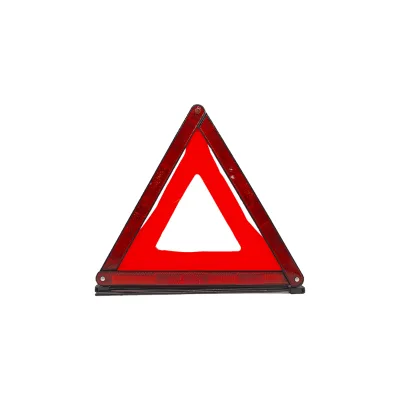
The color of the triangle is also a regulatory requirement in many cases. The standard color for warning triangles is typically red, often combined with yellow reflective strips to enhance visibility. Observed data indicates that some models feature a "Red and Yellow" color scheme, while others are strictly red. This visual distinction is not merely aesthetic; it is a functional requirement to ensure the triangle is immediately recognizable as a warning signal against various road backgrounds. Buyers should ensure that the color specifications match the legal requirements of the countries where the equipment will be deployed.
Cost Drivers and Pricing Dynamics
The pricing of foldable warning triangles is influenced by a complex interplay of factors, including material costs, certification expenses, and order volume. The observed price range in the market spans from $0.50 to $8.30 USD per unit. This wide variance suggests that price is a strong indicator of the product's quality, material composition, and compliance level.
Lower-priced units, often found at the bottom of the observed range, may utilize less durable materials or lack comprehensive certification. These products might be suitable for non-regulated environments or internal use but may not meet the stringent requirements for public road safety. Conversely, higher-priced units typically incorporate high-grade PC/PVC or ABS materials, feature advanced reflective technology, and carry verified E-MARK or CE certifications. The cost of obtaining and maintaining these certifications is often passed on to the buyer, resulting in a higher unit price but offering greater assurance of safety and legal compliance.
Order volume is another significant driver of cost. The Minimum Order Quantity (MOQ) observed in the market ranges from 2 units to 2,000 units. Suppliers often offer tiered pricing structures where the unit cost decreases as the order volume increases. For buyers with large fleets or those looking to stockpile inventory, negotiating based on higher MOQs can yield substantial savings. However, smaller buyers may need to accept higher unit costs or find suppliers with lower MOQ thresholds to avoid excessive inventory holding costs.
Packaging and logistics also contribute to the overall cost structure. The weight and dimensions of the packaging, such as a carton size of 44cm by 39cm by 30cm with a gross weight of 17kg, affect shipping rates. Buyers should calculate the total landed cost, including freight, duties, and insurance, rather than focusing solely on the unit price. A slightly higher unit price with more efficient packaging might result in lower overall shipping costs compared to a cheaper unit with bulky packaging.
Typical Applications and Use Cases
Foldable warning triangles serve a critical role in various scenarios, primarily focused on road safety and emergency response. The primary application is for breakdown maintenance, where a vehicle is disabled on the side of the road or in a traffic lane. In these situations, the triangle acts as a visual barrier, alerting approaching drivers to the hazard and providing them with ample time to slow down or change lanes.
Beyond breakdowns, these devices are essential for emergency situations. Whether it is a medical emergency, a traffic accident, or a sudden road obstruction, the warning triangle provides a standardized signal that can prevent secondary collisions. The "Emergency S" designation observed in some product attributes highlights their specific utility in urgent scenarios where rapid deployment is necessary.
The utility of these triangles extends to road construction and maintenance activities. Workers in these environments use warning triangles to demarcate work zones and protect personnel from moving traffic. The "Road Construction" application noted in product specifications underscores the importance of high-visibility equipment in protecting workers who are vulnerable to traffic hazards.
Additionally, the versatility of these products allows them to be used on various vehicle types. The "Truck, Trailer" designation indicates that these triangles are designed to be robust enough for heavy-duty vehicles, which often require larger or more durable warning devices. The "Universal Size" attribute suggests that some models are adaptable to a wide range of vehicle types, from passenger cars to commercial trucks. This adaptability makes them a versatile addition to any fleet's safety equipment inventory.
Supplier Evaluation and Selection Criteria
Selecting the right supplier is as important as selecting the right product. Buyers should evaluate potential suppliers based on several key criteria, including their location, production capabilities, and after-sales support. The origin of the product is a significant factor; observed data indicates that many suppliers are located in regions such as Sanmen, Zhejiang, or generally in China. While these regions are known for manufacturing capabilities, buyers should verify the specific factory's reputation and quality control processes.
Supplier reliability is often reflected in their after-sales service. A supplier that offers dedicated support hours, such as "Monday to Friday, 9:00 AM to 5:00 PM," demonstrates a commitment to customer service. This support is crucial for resolving issues related to product defects, shipping delays, or certification documentation. Buyers should prioritize suppliers who provide clear communication channels and responsive support teams.
Customization is another important consideration. Many suppliers offer customization options, allowing buyers to tailor the product to their specific needs. This could include custom branding, specific color combinations, or unique packaging requirements. The availability of customization indicates a flexible manufacturing process and a supplier willing to collaborate with buyers to meet specific market demands.
When evaluating suppliers, buyers should also consider the consistency of their product specifications. A supplier that offers a wide range of models, from the TWT90003 to the RT209, demonstrates a broad product portfolio and the ability to cater to diverse needs. However, buyers must ensure that the supplier maintains high standards across all their product lines. Requesting samples and verifying the consistency of quality across different batches is a prudent step in the supplier selection process.
Quality Control and Long-Term Procurement Considerations
Ensuring the quality of foldable warning triangles requires a proactive approach to quality control. Buyers should implement rigorous inspection protocols to verify that the products meet the specified standards and performance expectations. Key areas of focus include the reflective material's effectiveness, the structural integrity of the folding mechanism, and the durability of the materials used.
The "Strong Reflective Material" and "Good Reflective Effect" attributes observed in product listings highlight the importance of visibility. Buyers should test the reflective properties of the triangles under various lighting conditions to ensure they meet safety standards. The ability of the triangle to reflect light from vehicle headlights at a distance is critical for preventing accidents.
Long-term procurement considerations also involve the reliability of the supply chain. Buyers should assess the supplier's ability to maintain consistent inventory levels and meet lead times. The observed lead times and production capacities should be factored into the procurement plan to avoid stockouts, especially during peak seasons or emergency situations.
Furthermore, buyers should consider the lifecycle of the product. Warning triangles are subject to wear and tear, and the quality of the materials will determine how long they remain effective. Products made from PC/PVC or ABS are generally more durable and resistant to degradation over time. Buyers should plan for periodic replacement of these devices to ensure that their fleet always has access to functional safety equipment.
In conclusion, sourcing foldable warning triangles requires a comprehensive understanding of technical specifications, regulatory compliance, cost dynamics, and supplier capabilities. By carefully evaluating these factors, buyers can secure high-quality products that enhance road safety and meet the specific needs of their operations. The strategic selection of suppliers and products ensures that the investment in safety equipment delivers maximum value and protection for all road users.
FAQs
What certifications do foldable warning triangles typically have?
Foldable warning triangles typically carry CE and E-MARK certifications for European compliance. Some models also meet USA standards or general export requirements to ensure legal safety across different regions.
Which materials are used for foldable warning triangles?
These triangles are commonly made from PC/PVC or ABS materials to ensure durability and impact resistance. The choice of material affects the product's ability to withstand harsh environmental conditions like extreme temperatures.
How are foldable warning triangles packaged for shipping?
Products are usually packed in cartons or plastic boxes depending on the model. A standard carton might contain 30 or 60 pieces with a gross weight around 17 to 32 kilograms for efficient logistics.
Can I customize the foldable warning triangles for my fleet?
Yes, customization is available for many models to meet specific buyer needs. Suppliers often allow adjustments to branding, colors, or packaging to align with your company's safety standards and visual identity.
What is the price range for foldable warning triangles?
The observed price range spans from 0.5 to 8.3 USD per unit depending on quality and certification. Higher prices often reflect better materials like PC/PVC and verified E-MARK compliance for regulated markets.
Where are foldable warning triangles manufactured?
Manufacturing origins include locations such as Sanmen and Zhejiang in China. These regions are known for producing road safety equipment that meets various international standards and export requirements.